One of the popular words these days is “method acting.” This refers to a technique in which actors fully immerse themselves in their thoughts and emotions in the role (character) and act as if they were real. In case of method acting, it is easy for the actor and the character to become one. From the standpoint of the audience who sees the acting, there are often cases where the character in the fiction and the actor are confused even if the actor does not necessarily perform the method. However, the truth is that the character is not created by the actor. A character is usually created by the writers and deepened by the director, and the actor implements the character through her own interpretation. Then, who should have the right to the character? There was a noteworthy case about this question.
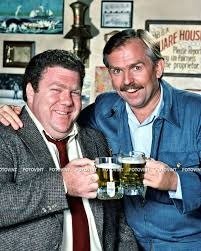
“Cheers” was a popular sitcom in the United States in the 1980s. It is set in a bar in a neighborhood in Boston, where locals often gather to talk about one thing or another. The drama has attracted attention from many actors, especially Norm Peterson and Cliff Klein (the name of the character) as regular guests. As the drama became popular, the character’s popularity also increased. Then, a bar in an airport in the United States installed a robot in the same appearance of the two people. Thereafter, the actors in their roles sued the bar’s operating company for installing the robot without their permission. In response, the bar management company claimed that it had obtained permission from the production company that owns Cheers’ copyright, but the two actors refuted that they had never given permission to do so, saying that they had to obtain permission from the production company as well as the production company. The case drew great attention to what the court would decide on whether characters and actors are the same in the entertainment industry, or at least what rights they have to commercialize their characters.
Can actors really have some rights to the character? If they have, how much will they have? If an actor has some rights to the character, how much is the share of the writer or director? In the hugely popular film “Batman” series, the actor who plays the role of the main character Batman or the villain Joker is different per each version. As such, there are often cases in which the actors who play the same character in sequels or prequels made after the success of the work are changed. However, if the actor’s rights to the character are advocated, one actor can somehow influence the casting of the next work. In that sense, this lawsuit attracted the attention of the entertainment industry, and after a boring legal process, the two sides just settled the case out of trial.